Monday, 8 May 2017

So many Shipping Materials!

With so many different kinds of shipping materials, it may be challenging to settle on the proper ones for your business. With this guide, I am hoping to help you find out what vital materials you will need for your company. A few things most companies need that are considered critical in running a shipping business. The first essential material is a packing material being bubble wrap. A few other vital materials are packing tape and labels. Most startup companies never think about the small things like the two previously mentioned materials. 

The first shipping material we are going to look at is bubble wrap. When compared to other protective items, bubble wrap provides the greatest amount of protection. Bubble wrap is essentially two plastic pieces of plastic with air pockets put in it. As simple as it is, it provides a significant amount of protection. Bubble wrap also has an anti-static effect to it. This is great for shipping electronics like a computer graphics card. Due to the fact that the GPU has exposed electrical components, it is vital that no static charge build-up is present. If there were a static charge present, there is a chance that when the consumer grabs the time, a shock happens, thus frying the card and rendering it useless. 

Another shipping item some start-up companies forget is packing tape. The need for packing tape is essential. The use of it in the business will mainly be to keep boxes together. Packing tape is also much more durable than traditional tape and maybe even ducktape. When boxes arrive at the company, they will be flat and needing to be folded to be built. This is where the packing tape comes in handy, as this will be required to keep the boxes together. The tape will also be used to seal the box for when it is time for shipping. 


There are many different kinds of labels in the shopping industry. Most of the time, the labels will be a stick-on label. This means that it is like a sticker you put on the box that contains all the vital information for the enclosed product and where it is going to be shipped. It will be very helpful for you to get a label printer as this will help expedite the shipping process. The printer will take the information from the computer that you put in, and it will then print that onto a sticker type label.

Another kind of label is tags; these kinds of labels are generally for marking products and not so much for shipping. 
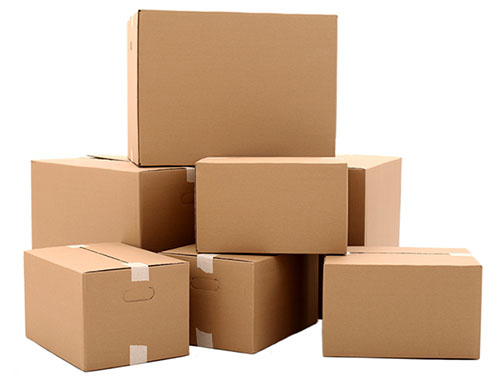


In the end, the shipping supplies we talked about are nowhere near all the kinds of materials needed for shipping. These are just a few of the necessary shipping materials you will need when starting your business. Keep in mind that the kinds of materials your company will need are entirely up to your products you are providing. The only product that is vital for every single company is a label. Without the label, no one knows where that product is being shipped to; thus, the consumer would not get their purchased product. As far as the bubble wrap goes and packing tape, it is entirely dependent on what your company produces and supplies to consumers. 


Thursday, 12 January 2017

Corrugated Packaging

Corrugated packaging is a form of cardboard packaging. This type of packaging are lightweight, strong, printable and easy to recycle. It consists of two main factors: the inner and outer liners, as well as a corrugated inner section also known as fluting. The liners have two peices of paper that help protect the interior and exterior, while the fluting (wave shaped structure between the liners) is used for reinforcement of the packaging's construction. This type of packaging is used with cardboard based materials but with the clever design it makes for more efficient and durable packaging. This special design creates a three-tiered protection system for food products in transit. If it wasn't for the middle layer, the products in transit are much more likely to get damaged. With corrugated packaging one can ensure excess moisture, dust and sunlight stay away from products being delivered.


There are several great benefits to corrugated packaging. Those benefits include: sanitation, eco-friendly and cost-effectiveness. During the corrugated creation it reaches high temperatures of over 100 degrees at least three times. These temperatures help to eliminate microbes and bacteria from the corrugated board, which sanitizes the packaging the moment it is created. Research from the University of Bologna has proven with this method of sanitation meat, vegetables, bread, eggs, and fruit that get delivered in this type of packaging are fresher than those delivered in reusable plastic trays. Plastic trays are typically washed and reused however, this does not guarantee that microbes and bacteria will be removed thus making it more likely for food can easily become contaminated. These plastic trays with increased usage overtime makes it more likely for food to be spoiled or nasty illnesses can be contracted. Corrugated packaging is a little different as once the packaging is used once it is then recycled. 


Corrugated packaging is made using natural materials, thus making it eco-friendly. Made from recyclable materials and being recyclable itself it also is biodegradable. If ruined it can naturally decompose into natural elements. Plastic packaging can take up to 1,000 years to decompose. During that process it leaks toxins into the environment which ends up causing further harm. This makes for corrugated packaging a more efficient choice. 


This type of packaging is not only great for the earth but it is also very cost-effective. Corrugated packaging is inexpensive for manufacturing and it doesn't cost the earth as well. Even with this manufacturing the packaging still keeps the qualities necessary to make an effective packaging solution for food deliveries. Many can save hundreds to thousands pounds making this choice of packaging. 


Corrugated packaging won't let you down. This packaging is great for the environment, manufactures and customers wallets and efficient on keeping customers healthy. Customers can ensure their food products will stay fresh, be protected and will be undamaged upon delivery. Considering this type of packaging is a fantastic choice full of many benefits. Whether it's pizza, fruit or vegetables or some delicious takeaways corrugated packaging is the way to go for complete satisfaction.


Monday, 17 October 2016

The Best Ways to Protect Items When Shipping

In our world, you can send messages and communication instantly, and with more and more people shipping packages, especially with the advent of online shopping, a big part of this is protection of the packaging. People don’t think about this, but the USPS and other delivery services are not the best with protecting packages, and sometimes, people get their items ruined. But, with the right inside options, you’ll be able to protect the items that you’re shipping to others without it breaking the bank either. 

Packaging Peanuts 

This is something that’s pretty typical to use for filler, and children love these because of the static nature of them, and how they’re able to move onto their clothes, and also tossing them around. They are light, but the one downside to this is that they don’t break down and help the environment. 


However, they’re good for protecting everything, and if you get non-Styrofoam options, they’re not going to just end up taking a bunch of space in a landfill for a millennium.  If you do get these, the best way to utilize packaging peanuts is to just put them in another package to ship these out.  You’ll want to go for cornstarch too, since these are considered biodegradable packaging peanuts and work well in protecting the package that’s being shipped out. However, they do usually take a bit more space and are a little bit heavier. 

Newspaper 

This is a great filler item because it can be broken down, and it’s versatile too, since you can crinkle, shred it, or wrap an item in it. You do want to be mindful of the ink though on this, since it can ruin a gift since it can get onto there, and then you’ve got ink all over the item. 

Bubble Wrapping 

This is basically a sheet of plastic put together with another sheet, with bubbles of air trapped between each side of this, and it’s something that can pop too. This is used to absorb the impact, or if the object hits something, the bubbles of air provide a cushion towards the object too.  Usually, it also takes a bit of energy to hit this, but the bubbles protect the item from impact instead of having the item directly touching it. This is efficient to protect, but the one downside is that it also is not environmentally friendly.  You should try to reuse or recycle this as much as you can, or also look to see if there are any ways to recycle them if you get the chance. 

Tips for Packing Items 

For a lot of packaging that is general, you want to make sure you use cardboard boxes that are corrugated to ship, and also provide enough materials to cushion this. You should also make sure that you use sealers such as adhesives or tape to help keep everything sealed. Do make sure everything labeled properly too. 


If you’re going to ship something that’s higher in costs, do consider buying insurance for this, and if it’s over $500, definitely use this.  It doesn’t cost a ton, but it’s usually up to a few dollars, but that can save you. 

You should also make sure that the shipping medium is rigid, touch, has flaps, and also make sure that the items you throw in there are wrapped separately. Consider using bubble wrap to also protect this. 

Strapping tape is also good to fully close the boxes and is better than scotch or masking tape. 

Make sure that the labels are clear and capitalized too. 


Sunday, 16 October 2016

Making your Packaging Interactive through Games and AR

Interactive packaging is a new way to get customers to engage with your product through unique digital experiences. AR and games, or gamification are two of the most popular ways.

Technology is all over the place. Everyone has it, so it makes sense why there’s some ways for you to enhance the consumer experience, and really make it so that you’re able to really create and enjoy an exciting sort of experience.

Here, we’ll go over the ways to enhance your consumer experience through this, and how interactive packaging is changing the way things are going.

Technology for Digital Content 

These days, we all have phones. Kids have tablets and phones, and adults do as well.   It's important to make sure that your packaging does have some form of digital incentive these days. 


AR, or augmented reality, is one of the main features. This is where you change and manipulate reality through the packaging that you have.   This, of course, ensures that you’re able to get the most that you can out of your packaging content. 

You can also use QR, or quick-response codes that people can scan to get various tutorials and games for their product. Some even allow for you as well to have some various QR codes that will take the person to promotions, or even some digital collectables. 

Some companies have jumped on the NFT train, where if they sell a unique item, the person can claim an NFT by buying this. 

It’s a great way for you to really make it work, and also gives you a unique way for you to get everything that you want out of this. 


NFC, or near-field technology is also good if you have consumers that can pair the products.   This can be great for items that do have some compatibility with each other, crafting a unique, exciting experience for everyone. 

Packaging for Storytelling 

With this same technology, you can also use the packaging for interactive storytelling, or a rewards system, gamifying everything.

For instance, if you have a product people can collect, they can scan the items and get a freebie from you.   

You can also have them get a QR code that will unlock some great regards. They can scan it, and after a few purchases, they get a coupon or a free item.   This is a great way to get repeat buyers. 

Food and beverage companies already do this, such as check-in systems. Product companies can do the same. Integrating a game into everything is great, as it gives people a chance to get the rewards that they want to have. 

The benefits and Challenges 

These days, there’s a lot of benefits to adding technology to your packaging. It improves the customer engagement, getting customers interested in what your company is doing, and how they can engage with this.


The second thing is that it also creates better brand loyalty. Many companies see benefits in working with brands, so that a lot of times they can get the help and care they need if a problem arises. Making it so that you’re a trusted brand is important, and you’ll be grateful that you’re able to do it. 

AR and other integrated technology is great for brands. By doing this, you’ll be able to better understand the people that work underneath you, and in turn also help to ensure that the product is enjoyable for customers. Creating packaging that they can interact with is memorable and while it may cost a lot at the beginning, the overall price of this is worth it.


Friday, 1 July 2016

Safety First In The Office Where You Pack Orders

Your home office can contain many things, including homework, toys, pets, and food. As a result, you may believe packaging your products will be very simple. However, this combination of elements can create conditions that put sharp instruments and unsecured materials within reach of children’s fingers and mouths. Packaging supplies are designed for the workplace and are therefore not suitable for the playground. Following a few basic practices can help sellers process orders efficiently and safely without turning the kitchen table or spare room into an unsafe working area.

Choose one location as your packing station that can be blocked off or closed at the end of the day. Ideally, use a room with a door, but a high shelf or locked cabinet can work just as well in smaller homes. Keep the floor clear of flat boxes and rolls of wrapping material to prevent children from tripping. Keep pets out of the workspace while you prepare packages. This also helps prevent children from mistaking pieces of packaging material or cartons for toys.

Sharp objects, such as tape cutters, scissors, and box knives, require a secure storage location. Return each tool to its designated storage place immediately after making a cut rather than leaving it beneath paper or beside a box. Even a tool with a covered blade can pose a risk and should remain inaccessible to children. Always store sharp objects in a separate compartment from shipping boxes to avoid accidentally sealing them inside a package.

Plastic bags and plastic film must be handled carefully because young children can accidentally wrap plastic around their heads. Store plastic bags in a closed container and dispose of excess film immediately in a covered waste receptacle. Secure long lengths of plastic wrap, twine, and plastic banding so they cannot hang loosely from tables or become accessible to children and pets. Before disposing of plastic scraps, cut them into manageable pieces to reduce the risk of pets becoming entangled.

Packing materials, such as packing peanuts and small foam blocks, can spread rapidly throughout a room. Children may pick up these materials, while pets may swallow them. Store packing peanuts and foam blocks in a lidded container, and clean up any spills before preparing another shipment. Although paper filler can sometimes be easier to collect, piles of paper may conceal hazardous objects, such as blades, labels, and other items that do not belong in a play area.

Stacks of shipping supplies can also create hazards. Flat shipping boxes can topple easily, while items such as tape dispensers and rolls of labels may fall from shelves. Place heavier objects at the bottom of each stack and lighter items on top. Avoid blocking doors, heaters, or walkways with stacks of supplies or ready-to-ship merchandise. If a stack begins to lean, correct it before adding more boxes.

After completing your packaging tasks, perform a quick safety check. Count the sharp objects used during the task, ensure all supply bins are closed, clear debris from the floor, and empty the trash when necessary. Finally, check underneath the packing table, where pets and small children may discover items that adults have overlooked. Safe work practices help protect your family while allowing your home-based business to operate efficiently. Once your shipping supplies have been returned to their designated storage locations, your home can resume its role as a comfortable living environment.

Saturday, 11 June 2016

Don't Ship a Damaged Fishing Trip

Take special care of the delicate tip of a fishing rod before taking your shipment to the Post Office. Wrapping the entire rod in a soft protective layer may seem sufficient, but the thin tip requires additional internal support inside a strong shipping container to prevent bending or breakage during transit.

Selecting the right shipping supplies begins with understanding which parts of the fishing rod can be separated and which must remain together. Carefully read the manufacturer's instructions before attempting to shorten the rod for shipping. Some rods are designed to separate into multiple sections, while others are manufactured as a single unit. Never force a rod section that will not come apart, and do not twist or bend the rod to make it fit inside a smaller box.


Measure the longest rod section you plan to ship, allowing additional space for protective wrapping and cushioning at both ends. Use these measurements to select a suitable shipping container. If possible, remove the reel before packing the rod, and handle all hooks and lures separately. Do not place sharp fishing tackle inside the rod package unless each item has adequate protection and complies with your carrier's shipping regulations. Seven Seas Worldwide recommends shipping the reel separately to prevent the bulky reel from competing for space with the rod's more delicate sections. Read the fishing rod shipping guide from Seven Seas Worldwide.

Create a checklist of everything that should be included in the shipment. This helps ensure that no accessories or other items are accidentally left behind. Before packing, allow the fishing rod to dry completely after use and inspect it for existing damage, particularly around the tip and line guides. These guides direct the fishing line along the rod, but they can also catch on protective materials when the rod is inserted into its case. Wrap each section carefully, avoiding direct contact between adhesive tape and the rod's finish. Keep the guides in their original position rather than bending them flat against the shaft.

A sturdy shipping tube provides an additional layer of exterior protection, but its diameter is just as important as its length. DHL recommends using a heavy-duty shipping tube when sending fishing rods. Review DHL's fishing rod shipping recommendations. Choose a tube that comfortably accommodates all the protected sections without requiring excessive force to insert them. Consult the tube manufacturer for advice on securing the rod and selecting suitable end caps. Poorly fitted or unsecured caps can compromise the protection provided by even the strongest shipping tube.


Consider how the recipient will remove the fishing rod from its packaging. They should not need to pull on the delicate tip or cut through multiple layers of material surrounding the shaft. Include a short introductory note explaining any special packaging arrangements and indicating which end of the container to open first. Clear unpacking instructions can help prevent accidental damage when the shipment arrives.

When choosing a delivery service, consider the dimensions and weight of the completed package. Some carriers offer services specifically designed for long items, but their size restrictions and packaging requirements may vary. Confirm that your chosen carrier accepts parcels of the required length and diameter before dispatching the rod.

If you are shipping fishing equipment ahead of a planned vacation or fishing trip, coordinate the delivery with your host or accommodation provider. Confirm the correct delivery address, expected arrival date, and arrangements for receiving the package. Allow enough time to resolve potential shipping delays or delivery issues before your arrival. With careful preparation, appropriate protective materials, and a suitable shipping service, you can significantly reduce the risk of damage and have your fishing rod ready for your next trip.

Saturday, 1 August 2015

The Quiet Tools That Protect Every Product in Transit

Shipping supplies may not seem exciting, but they are some of the most important tools a business uses. Every order depends on them. They protect products, organize the packing process, and create the first impression a customer gets when their package arrives. Without strong, reliable shipping supplies, even great products can end up damaged, delayed, or disappointing. With the right supplies, shipping becomes smooth and predictable.

The first job of shipping supplies is simple: protect the product. Boxes provide structure and strength. Bubble wrap absorbs shocks. Kraft paper fills empty gaps. Poly bags keep dust and moisture away. Tape seals everything securely. Each material plays a role in making sure the product survives the journey from warehouse to customer. Shipping is rough—packages slide, stack, shuffle, and get dropped. Good supplies give the product a fighting chance against all of that.

But protection is only one part of the job. Shipping supplies also support workflow. A well-organized packing station stocked with dependable materials allows workers to move quickly and confidently. They reach for the correct box, the right cushioning, and the tape they trust to hold. When supplies behave the same way every time, packing becomes a rhythm instead of a series of small struggles. This saves time, reduces mistakes, and prevents frustration during busy days.

This reliability becomes even more important during peak seasons. When orders spike during holidays, promotions, and end-of-year rushes, the shipping department can’t afford slowdowns. Strong supplies let teams handle high volume without sacrificing quality. Boxes stay sturdy even when stacked. Mailers seal correctly the first time. Labels stick cleanly so scanners can read them. The entire process holds steady because the materials are dependable.

Shipping supplies also influence how customers feel about a business. A box that arrives clean, sealed, and well-packed sends a message of care and professionalism. When a customer opens a package and sees their item wrapped neatly and protected, they feel respected as a buyer. That trust becomes loyalty. It encourages repeat purchases and positive reviews. Many people won’t say it out loud, but the way a package arrives affects how they think about the brand.

The opposite is true as well. If a box arrives crushed, if the tape is peeling, or if the product inside is sliding around, the customer’s trust drops instantly. Even if the item survives, the experience feels careless. Poor shipping supplies can undo the work of good marketing and good customer service in seconds.

Cost efficiency ties everything together. Better supplies reduce damage, which reduces refunds and replacements. They prevent shipping delays and lost items. Stronger tape prevents return-to-sender situations caused by open seams. All of these small wins add up. Businesses that invest in better shipping supplies see fewer problems and more satisfied customers.

Branding also fits naturally into shipping supplies. Custom tape, branded stickers, designed thank-you cards, or matching colors inside the package transform a simple delivery into a memorable one. Customers enjoy thoughtful packaging even if the product is inexpensive. These small touches build identity and help brands stand out in a crowded marketplace.

Shipping supplies are useful far beyond business settings too. Homes use them for mailing gifts, organizing storage, protecting valuables, and packing for moves. A good box makes a heavy job easier. A bubble mailer protects fragile items. Poly bags keep clothing and paperwork clean. They’re practical tools that solve everyday problems quietly and effectively.

In many ways, shipping supplies are the unsung heroes of commerce. They work behind the scenes to protect products, speed up workflow, lower costs, and create strong customer impressions. They never get much attention—but they make everything else function smoothly.

Active food Packaging: What it’s All About

Food waste is a huge problem, where each person in the Eu uses about 400 pounds of food each year, and they throw that away. It’s a waste, a...